Snow Plowing Near Me Near West Bloomfield, MI
When snow begins accumulating, a search for snow plowing near me is usually about more than moving snow. It is about keeping a commercial property usable for employees, tenants, customers, deliveries, and visitors when winter conditions change quickly. Paradise Garden Landscaping, based near West Bloomfield in Warren, MI, is a relevant local contact for commercial property decision-makers who need a clear plan for winter site access.
A well-managed property needs attention to the areas people use first: entrances, driving lanes, parking areas, loading approaches, sidewalks, and designated pedestrian routes. Snow left in the wrong place can narrow circulation, obstruct parking, or create piled-up runoff issues when temperatures rise. Planning ahead helps a business respond to winter weather with fewer last-minute decisions.
What a commercial snow plan should accomplish
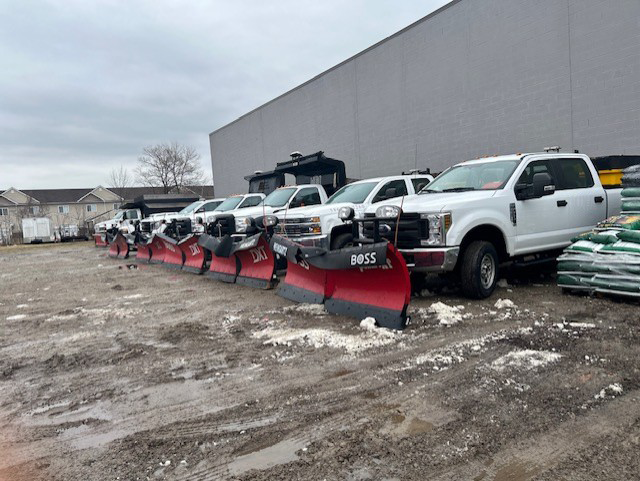
Snow plowing is the mechanical clearing of accumulated snow from paved areas so vehicles and people can move through a site more safely and efficiently. It is different from simply pushing snow to the nearest edge. A thoughtful approach considers where snow can be staged, how traffic will circulate, where pedestrians cross, and what areas need attention to support the property’s daily operations.
For a West Bloomfield, MI property, the right scope depends on how the site is used. An office complex, retail center, industrial yard, multifamily community, and medical or professional building can all have different access priorities. The aim is to define clear expectations before weather arrives rather than treating every event as a completely new problem.
Access starts with the highest-use areas
Busy entry points and travel lanes often deserve priority because they affect the greatest number of people. Parking spaces matter too, but clearing a parking field without preserving an accessible route to the building may not solve the immediate operational issue. Property managers can identify the critical areas in advance and communicate them during a service discussion.
- Vehicle entrances, exit lanes, and internal drive aisles that support safe circulation
- Primary parking areas, accessible spaces, and routes from parking to entrances
- Sidewalks, entry pads, ramps, stairs, and other pedestrian travel areas
- Loading zones, service doors, dumpster access, and locations needed for scheduled operations
- Snow-storage areas that avoid blocking visibility, drainage paths, or usable parking
Plowing, de-icing, and snow placement serve different purposes
Plowing removes or relocates accumulated snow, while de-icing materials are used to help manage slippery surfaces under appropriate conditions. These services are related, but they are not interchangeable. Packed snow, refreezing meltwater, shaded sidewalks, and changing temperatures can require a property-specific discussion about surface conditions and priorities.
Snow placement also matters after the plow has passed. Large piles can take up parking, restrict sight lines, or contribute to meltwater concerns if they are poorly located. Before selecting a provider, it is useful to review the lot layout and determine practical staging areas rather than assuming any open corner will work throughout the season.
Why local commercial snow removal deserves advance planning
Commercial sites have responsibilities to their users even when winter weather is inconvenient. A planned response can help maintain access, reduce confusion around who handles which areas, and support a more orderly experience during a storm. It also gives the property representative an opportunity to explain special conditions, such as limited turning space, multiple entrances, or areas that must remain accessible for business activity.
If you are comparing snow plowing near me options for a business or managed property, ask how the provider will understand the layout and documented priorities. Paradise Garden Landscaping discusses commercial snow removal in the context of keeping commercial properties prepared for winter conditions, which is especially useful when snow management affects more than a single driveway. The service conversation should be grounded in your site, its traffic patterns, and the practical access needs that matter most.
Who can benefit from professional snow management?
Professional snow management can be appropriate for owners, facility managers, property managers, and business operators who oversee shared or customer-facing exterior spaces. It may also make sense for organizations that need a consistent point of contact rather than asking staff to make weather-response decisions while handling their regular duties. The value is in organizing the work around the property’s operational needs.
Some smaller properties may consider handling snow internally, especially if the area is limited and staff have the time, equipment, and a safe plan. That choice can become less practical when snow events interfere with opening hours, when parking and pedestrian routes are more complex, or when the property has several competing priorities. A commercial provider offers an option for delegating that planning and coordination.
- Start with a site review. Identify paved surfaces, sidewalks, entrances, service zones, and sensible snow-storage locations.
- Set operational priorities. Clarify which routes and areas support opening, visitors, staff movement, deliveries, or tenant access.
- Discuss winter-response expectations. Review how the property wants communication and service needs handled as conditions develop.
- Revisit the plan when conditions reveal issues. Winter can expose drainage, congestion, or snow-placement concerns that are worth addressing for future events.
Choosing a snow plowing provider near West Bloomfield
Choosing a provider should involve more than searching for the closest listing. Location can be helpful, but the better decision comes from whether the provider can have a useful conversation about the actual property and its winter demands. Paradise Garden Landscaping operates from Warren, Michigan, near West Bloomfield, and gives commercial customers a way to begin that conversation with their specific site in mind.
It is reasonable to provide a clear picture of the property before requesting service information. Note the number and type of entrances, areas where people tend to walk, access constraints, and any space that cannot be blocked by snow piles. Photos, a site map, or a walkthrough can make expectations easier to explain and reduce assumptions.
Details that help create a workable scope
A service scope should describe the areas to be addressed and the outcomes that matter to the property, not just use a broad phrase such as “clear the lot.” Consider the differences between a customer parking area, a rear service lane, a sidewalk to a side entrance, and a loading approach. Each may need a different priority level depending on how and when it is used.
- Which entrances must remain open for normal operations
- Where pedestrians are most likely to walk or cross traffic lanes
- Whether deliveries, waste collection, or service access have timing considerations
- Where snow can be piled without creating visibility or access problems
- Whether there are known areas that collect meltwater or refreeze
- Who will communicate property-specific updates or concerns during the season
Cost is naturally a consideration, but a useful comparison also looks at the clarity of the proposed scope. A lower-priced option may not be comparable if it addresses fewer surfaces or leaves key decisions undefined. Ask for an explanation of what areas are included, how site priorities are understood, and how changes or additional needs will be communicated.
Prepare before the first significant accumulation
Winter preparation is easier when it happens before a storm is underway. Remove movable obstacles where appropriate, make sure relevant gates or access points can be used, and identify any site features that may be difficult to see under snow. This helps protect the property’s functionality and gives the snow-management discussion a more practical starting point.
It is also wise to tell employees, tenants, or on-site teams where snow may be stored and which routes should remain clear. People are less likely to park in a planned staging area or use an unsafe shortcut when the plan is communicated. In Michigan, repeated freeze-thaw cycles can change site conditions after an initial clearing, so ongoing awareness is often as important as the first plow pass.
Talk with Paradise Garden Landscaping about your property
Searching for snow plowing near me near West Bloomfield, MI should lead to a provider conversation that is specific, not generic. Share how your commercial site functions, the areas that cannot be obstructed, and what winter access means to your staff, tenants, customers, or visitors. Paradise Garden Landscaping in Warren, MI can be contacted to discuss commercial snow-management needs and the details that shape a practical property plan.
Ready to discuss winter site access? Use the information you have about your layout and priorities to start a focused conversation before conditions become urgent. Contact Paradise Garden Landscaping to discuss snow management for your commercial property near West Bloomfield.
Common snow plowing questions
What does snow plowing near me typically include for a commercial property?
Commercial snow plowing generally focuses on clearing designated paved areas such as parking lots, drive lanes, entrances, and service access. The exact scope should be defined for the property and may also address pedestrian routes, snow placement, and de-icing considerations based on site needs.
Is Paradise Garden Landscaping located in West Bloomfield, MI?
No. Paradise Garden Landscaping is located in Warren, MI and serves customers near West Bloomfield. Contacting the company directly is the best way to discuss whether your commercial property and its snow-management needs are a fit.
Why is snow-storage planning important?
Where snow is pushed affects parking capacity, driver visibility, pedestrian access, drainage, and future plowing. Identifying appropriate storage areas before winter helps avoid piles that block entrances, narrow traffic lanes, or interfere with the parts of a commercial property that need to stay functional.
When should I contact a commercial snow-removal provider?
Contact a provider before winter weather creates an immediate access issue. An early conversation gives you time to describe the layout, identify high-priority routes, discuss snow placement, and clarify communication expectations. It is especially useful when a property serves customers, tenants, employees, or deliveries.