Commercial Lawn Mowing Near Southfield, MI
A commercial property’s lawn is often one of the first details tenants, visitors, customers, and prospective clients notice. For properties near Southfield, MI, consistent mowing helps keep grounds orderly between busier landscape tasks and prevents turf from appearing neglected. Paradise Garden Landscaping, based in Warren, MI, is a practical point of contact when you need to discuss a dependable mowing plan for a commercial site.
Commercial lawn care is more than running a mower across open grass. It involves scheduling around site activity, maintaining a suitable cutting height, managing clippings, and accounting for edges around walks, curbs, parking areas, signs, and planting beds. A thoughtful plan helps your exterior look maintained without asking your staff to coordinate recurring grounds work week after week.
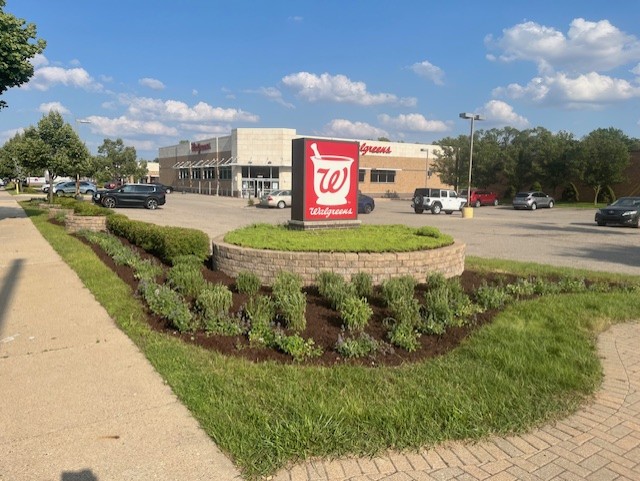
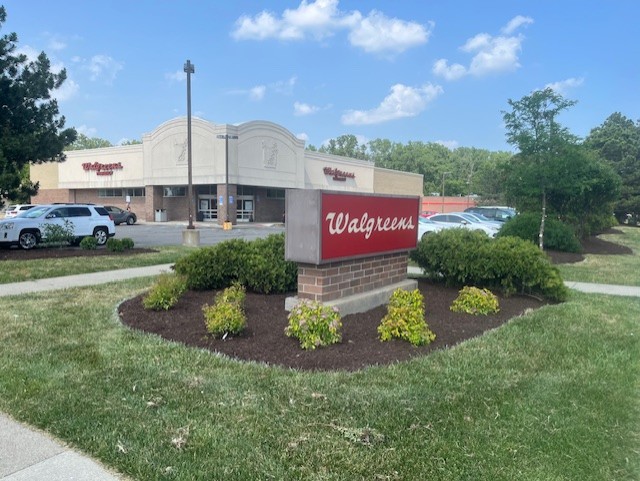
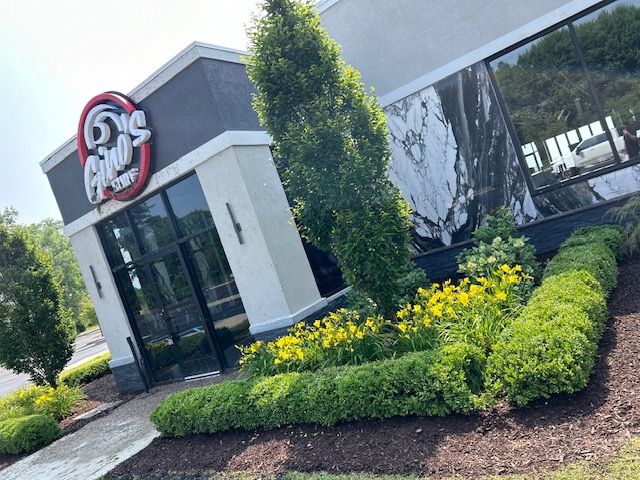
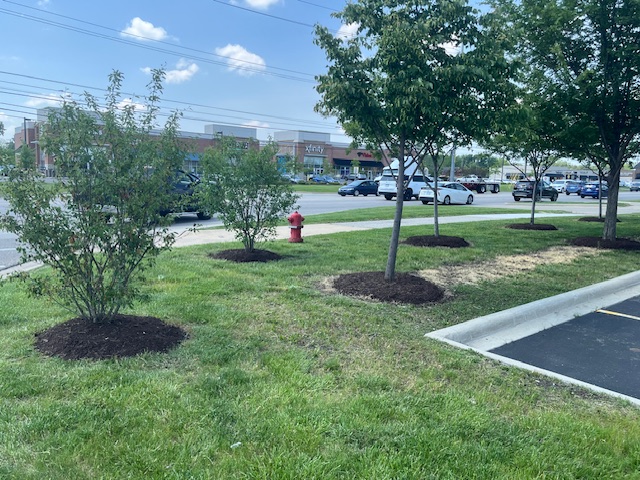
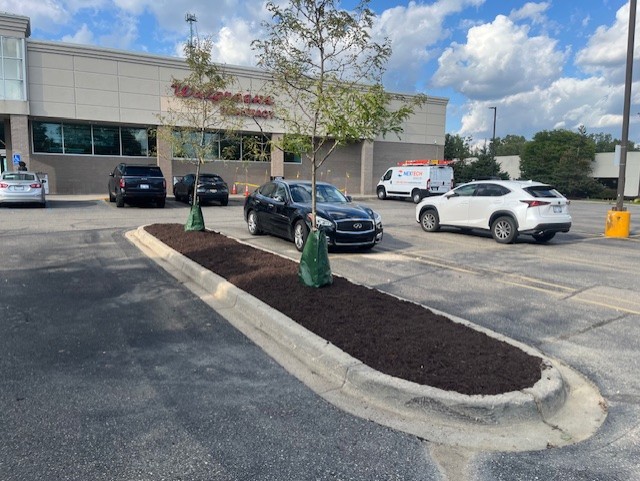
Whether you manage an office building, retail center, multifamily property, medical office, industrial facility, or another business site, a planned mowing routine can support a cleaner, more welcoming property. Regular service creates a more consistent appearance while giving property decision-makers a clear process for communicating priorities and addressing changing site conditions.
What commercial mowing should accomplish for your property
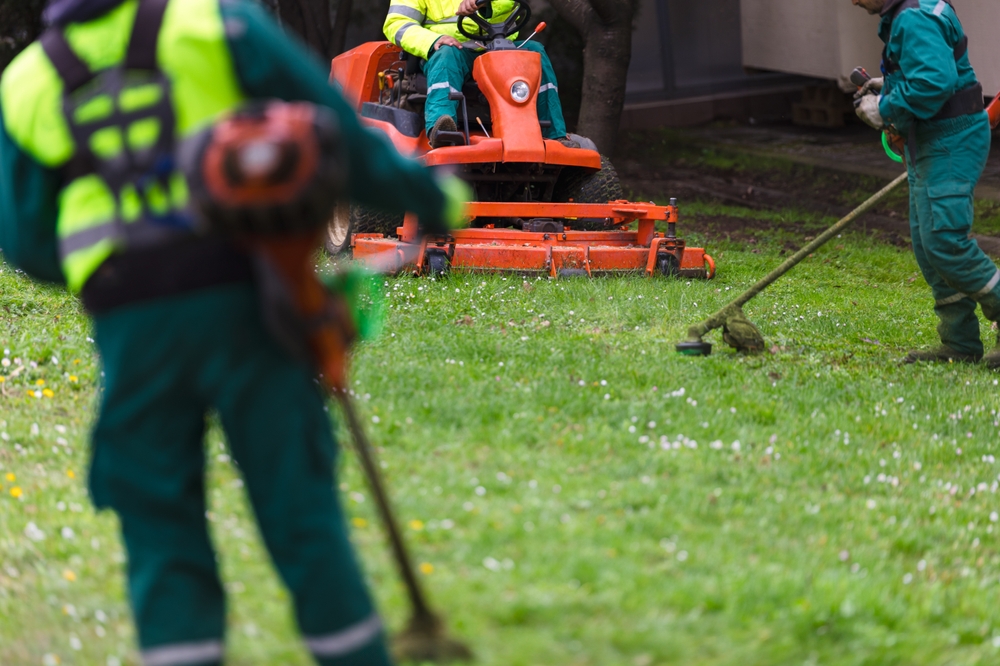
Commercial lawn mowing is designed for grounds that need a professional, repeatable standard rather than occasional attention. Grass growth changes with rainfall, heat, shade, and the season, so the right visit frequency should be based on actual conditions and the appearance your property needs to maintain. The goal is not simply shorter grass. It is an even, presentable result that fits the site’s traffic patterns and landscape layout.
A recurring program can be especially useful when several people share responsibility for a property. Instead of relying on an employee, tenant, or maintenance team to fit mowing into an already full schedule, a designated landscape provider can establish expectations for routine turf care. This makes it easier to keep outdoor maintenance from becoming a last-minute concern.
- Maintain a neater, more intentional curb appeal for visitors and occupants.
- Help keep grass from becoming overly tall, uneven, or visually distracting.
- Support cleaner transitions between lawn areas, paved surfaces, and landscaped beds.
- Reduce the internal time spent arranging recurring grounds maintenance.
- Create a predictable point of contact when mowing needs or property conditions change.
Consistent turf height is only part of the job
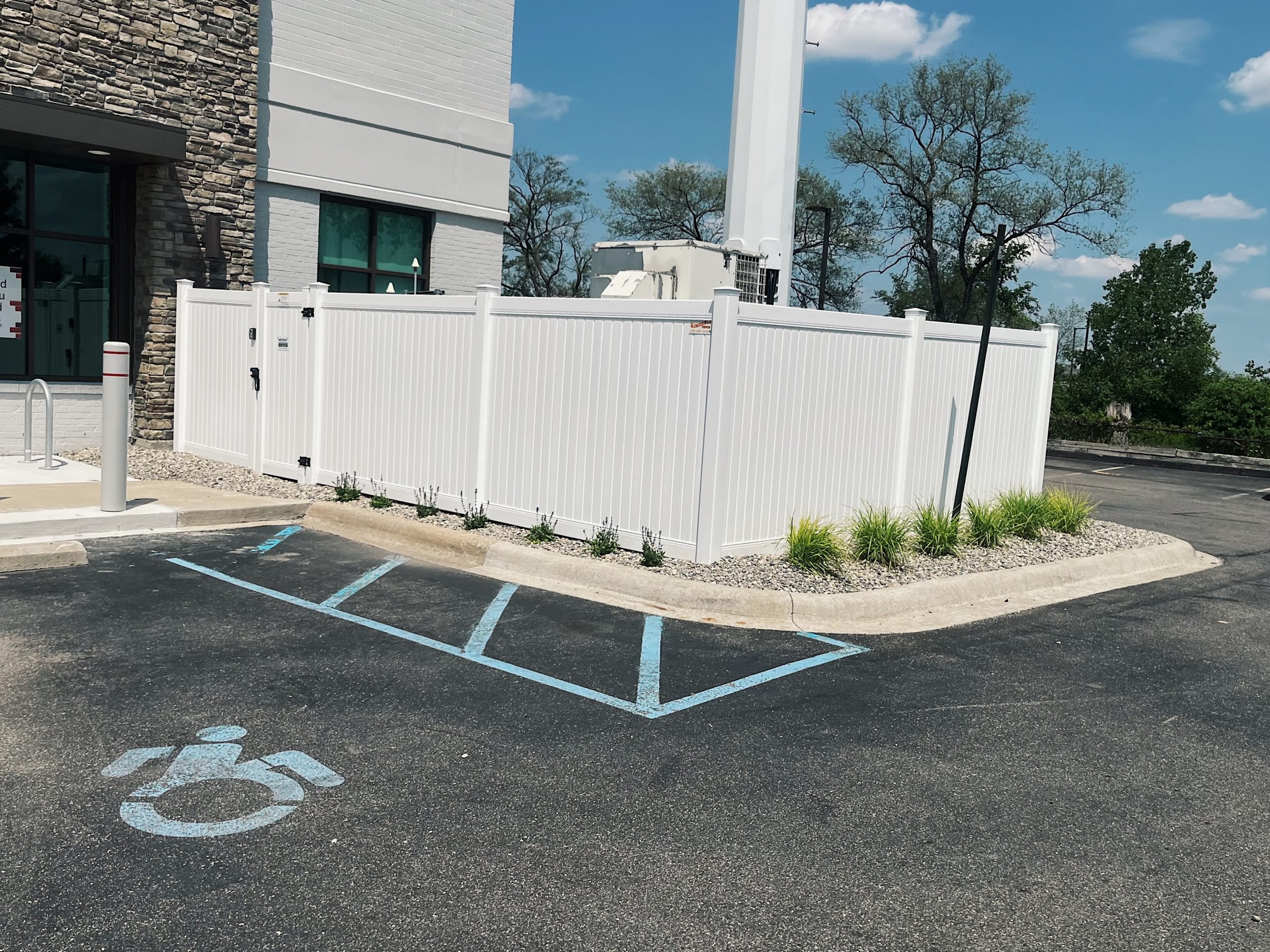
Quality site appearance depends on details around the mowing pass. Trimming and edging needs often arise where mower decks cannot reach, including along building lines, fencing, curbs, sidewalk borders, and landscape features. Clipping management also matters because accumulations on hard surfaces can make an otherwise maintained property look unfinished.
Before service begins, it is helpful to identify areas that need special attention. Low-hanging branches, uneven ground, irrigation heads, utility covers, pedestrian routes, and parked vehicles can all affect how crews approach a site. Bringing these points up early helps shape a scope that reflects your property rather than a generic checklist.
Why timing matters in the Michigan growing season
Michigan lawns do not grow at the same pace throughout the year. Active growth periods may call for closer scheduling, while dry conditions, slower growth, or late-season changes can alter what a property needs. A responsive maintenance conversation is more useful than assuming every week will require identical work.
For commercial managers near Southfield, that means discussing the desired appearance, the type of turf areas on site, and any periods when access is limited. A provider should understand whether the property has customer-facing entrances, active loading areas, tenant foot traffic, or event-related needs that affect the preferred service window.
A better way to choose a commercial lawn care provider
Searching for a mowing contractor can produce many similar-looking options, but the most useful comparison is not just a price figure. Property managers should look for clarity about the service area, expected tasks, site-specific concerns, communication process, and whether the provider can discuss broader grounds needs as they arise. Those details help avoid assumptions after work is scheduled.
If you are comparing commercial landscaping companies near me, consider how each company approaches the full presentation of a commercial exterior. Mowing is central to the routine, but the discussion should also account for turf borders, beds, paved areas, debris, seasonal changes, and the operational realities of your site. A broader maintenance perspective can help you organize exterior care more effectively.
- Walk through the property needs. Note the lawn areas, site access points, obstacles, high-visibility spaces, and any recurring concerns.
- Describe the desired maintenance standard. Explain what a well-kept property looks like for your tenants, customers, or visitors.
- Discuss service timing. Identify preferred days or windows and mention activity that may affect safe, convenient access.
- Confirm what is included. Ask how mowing, trimming, edging, clipping cleanup, and communication about issues will be handled.
- Review the plan as conditions change. Weather, grass growth, construction activity, and seasonal needs can all justify adjustments.
Questions that lead to a clearer scope
A productive first conversation focuses on the property, not just the square footage. Ask how the service plan will account for areas that are difficult to mow, where clippings should be managed, how access issues are handled, and who should be contacted if you notice a concern. It is also reasonable to ask what information the provider needs before preparing a recommendation.
For a business owner with a smaller site, a search for lawn service near me may begin with a simple need for regular grass cutting. Even so, recurring service deserves a short planning discussion. Clear expectations about entrances, parking, foot traffic, gates, and visible lawn areas can make routine visits more useful from the outset.
How ongoing commercial lawn service fits into property maintenance
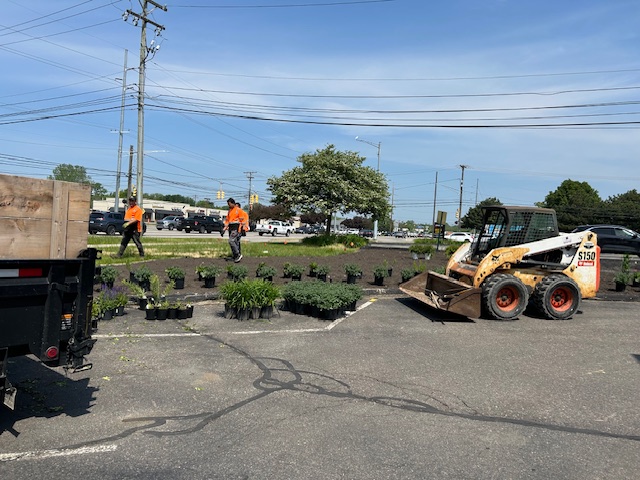
Commercial mowing works best as part of a larger property-care rhythm. It can complement attention to landscape beds, weeds, seasonal cleanup, leaf accumulation, irrigation observations, and the general condition of outdoor common areas. Not every property needs the same combination of work, but looking at the grounds as a whole helps prevent one neglected detail from diminishing the rest of the site.
Property stakeholders often search for lawn maintenance services near me when they want an ongoing solution instead of a one-time cut. That is a useful distinction. Routine grounds maintenance allows the mowing schedule and related tasks to be considered together, which can make planning simpler for managers who oversee multiple exterior responsibilities.
Paradise Garden Landscaping can be a relevant resource for commercial properties near Southfield that need to explore a maintenance approach through a Warren, Michigan-based company. The most useful next step is to share the type of property you manage, the areas that need attention, and the result you want your grounds to convey. That information provides a stronger foundation for discussing appropriate service than a one-size-fits-all request.
When professional mowing is a sensible choice
Professional commercial mowing is often appropriate when appearance affects customer perception, when staff time is better devoted to core operations, or when the site has enough lawn and detail work to require regular coordination. It can also make sense after a change in property management, occupancy, landscaping layout, or maintenance expectations.
Some organizations choose to handle limited mowing internally, particularly for very small or low-visibility turf areas. That can be a reasonable alternative when staff, equipment, scheduling, and cleanup responsibilities are already clearly managed. For more visible or complex grounds, however, outsourcing the routine can provide a more organized path to consistent exterior care.
Plan commercial lawn mowing around your Southfield-area property
Your landscape should support the way people experience your property, from the first view at arrival to the paths and entrances they use every day. A well-defined commercial mowing plan can help keep turf areas orderly while giving you a clearer process for addressing site-specific needs. Paradise Garden Landscaping serves the region from Warren, MI, and can discuss your commercial property’s maintenance priorities.
Ready to start the conversation? Contact Paradise Garden Landscaping to describe your property, routine mowing needs, and preferred service considerations near Southfield, Michigan.
Commercial Lawn Mowing Questions
What does commercial lawn mowing usually include?
Commercial lawn mowing generally includes cutting turf on a recurring schedule, with attention to areas where trimming, edging, and clipping cleanup may be needed. The exact scope should be confirmed for the individual property because lawn layouts, hardscape edges, access conditions, and desired appearance vary.
How often should a commercial property be mowed in Southfield, MI?
Mowing frequency depends on grass growth, weather, season, turf condition, and the property’s appearance goals. During active growth, more frequent visits may be appropriate; slower growth can change the schedule. Discussing site expectations and seasonal flexibility helps create a practical routine.
Is Paradise Garden Landscaping located in Southfield?
No. Paradise Garden Landscaping is based in Warren, MI and serves commercial properties near Southfield. When you contact the company, share your site location and maintenance needs so the team can discuss whether the requested service is appropriate for your property.
What should I prepare before requesting a commercial mowing quote?
Prepare the property address, approximate lawn areas, preferred service timing, access information, and any problem spots such as slopes, gates, curbs, irrigation components, or high-traffic entrances. Photos and a description of your expected appearance can also help make the initial conversation more productive.