Commercial Lawn Mowing Near Farmington Hills, MI
A consistently cut lawn changes how a commercial property is perceived before a visitor reaches the door. For property managers, business owners, associations, and facility teams in the Farmington Hills, MI area, commercial lawn mowing is a practical way to keep grounds orderly while reducing the time spent coordinating routine exterior work. Paradise Garden Landscaping is based in Warren, MI and is a local point of contact for organizations seeking a clearer plan for ongoing landscape maintenance.
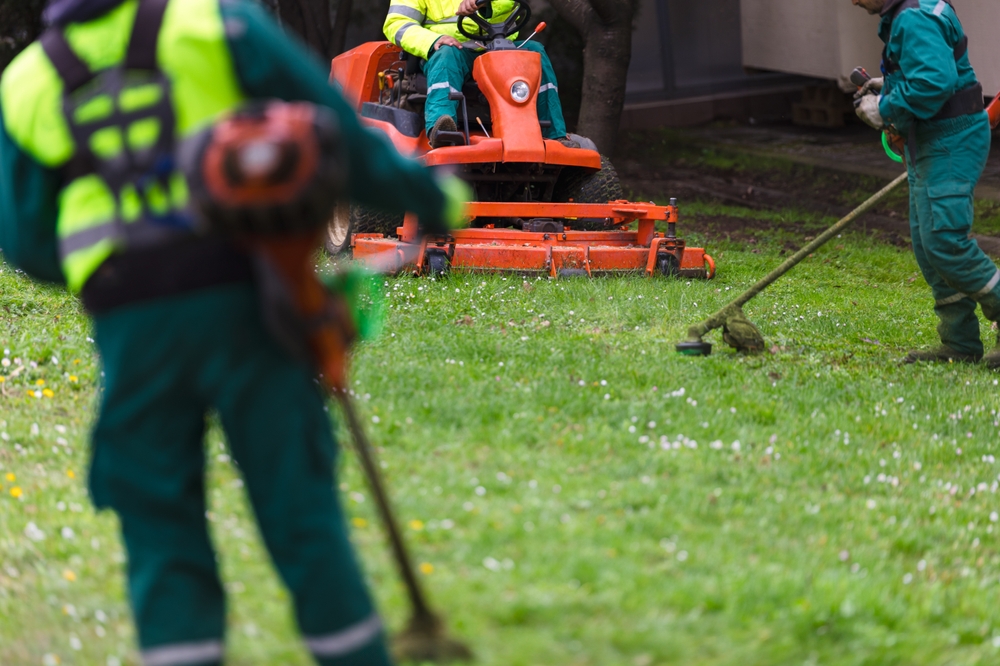
Commercial turf care is more than sending a mower across open grass. It involves setting a workable mowing rhythm, maintaining a clean edge along hard surfaces and beds, managing clippings thoughtfully, and adjusting attention as weather and turf growth change. The goal is a property that looks maintained between visits, not one that appears briefly cut and quickly neglected.
What dependable mowing does for a commercial property
Grass grows at different rates throughout a Michigan season. Rainfall, heat, shade, irrigation, soil conditions, and foot traffic all affect how quickly a site needs attention. A commercial mowing plan gives decision-makers a repeatable baseline for lawn appearance instead of relying on last-minute calls after turf has become tall or uneven.
For many properties, the value is operational as well as visual. Regular lawn cutting supports a more organized exterior, helps keep walkways and entrances from being framed by overgrown grass, and makes it easier to notice concerns such as bare areas, debris, drainage patterns, or damaged turf. It also gives managers one less recurring grounds task to add to their internal checklist.
A maintained appearance at arrival points
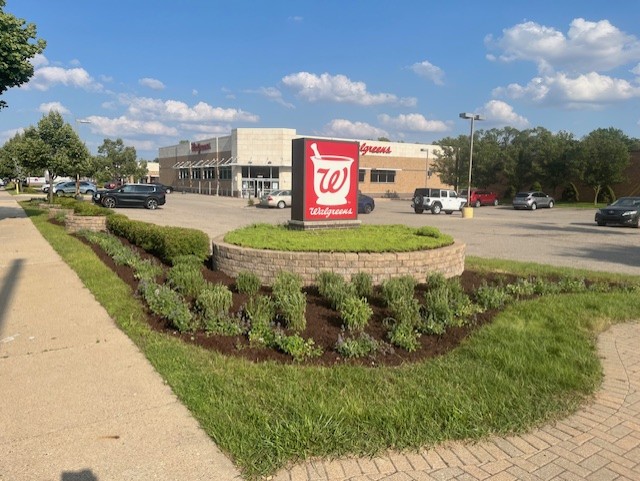
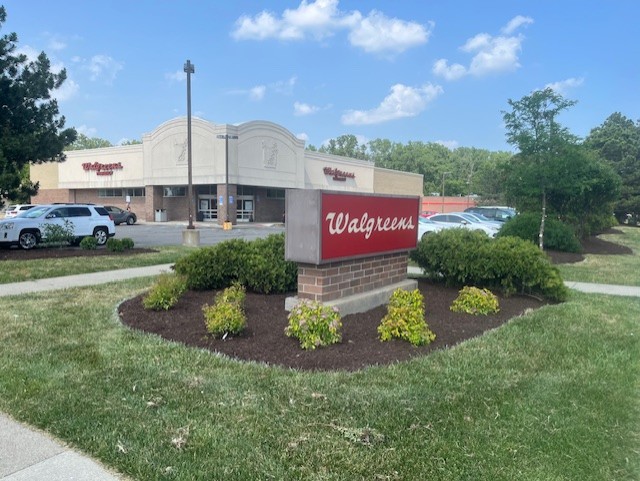
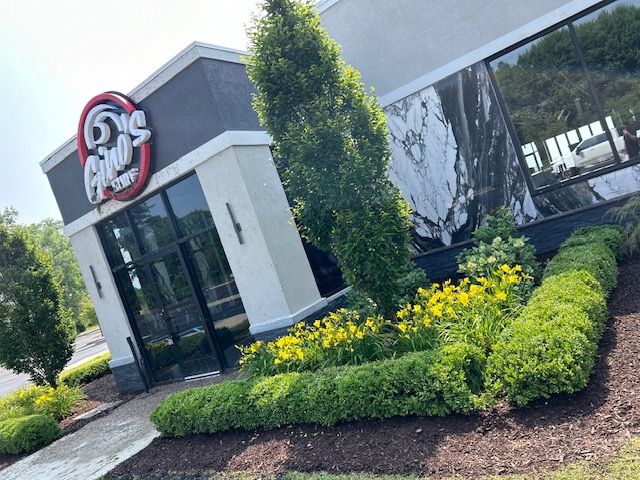
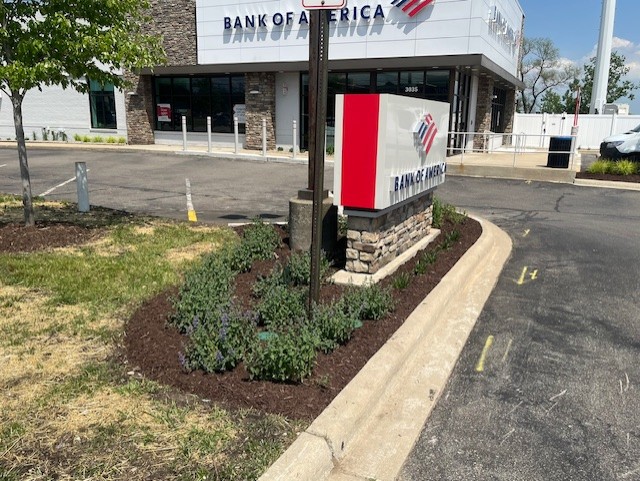
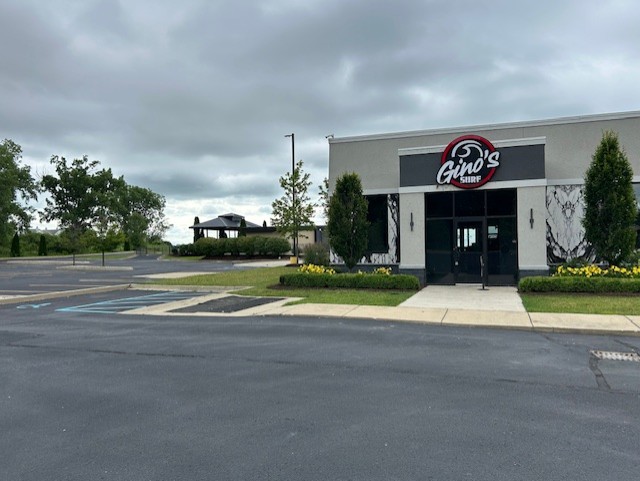
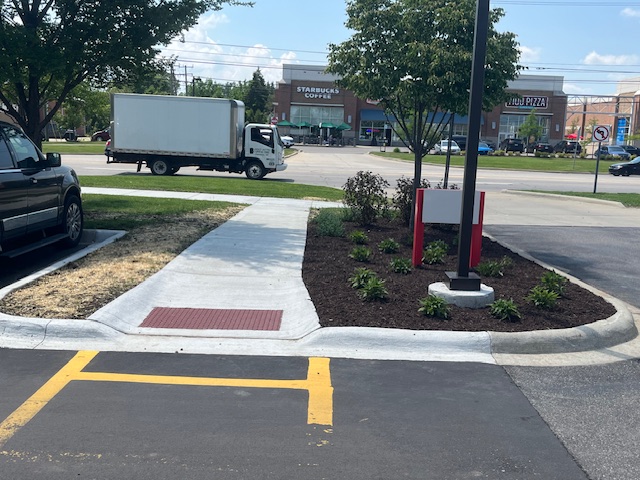
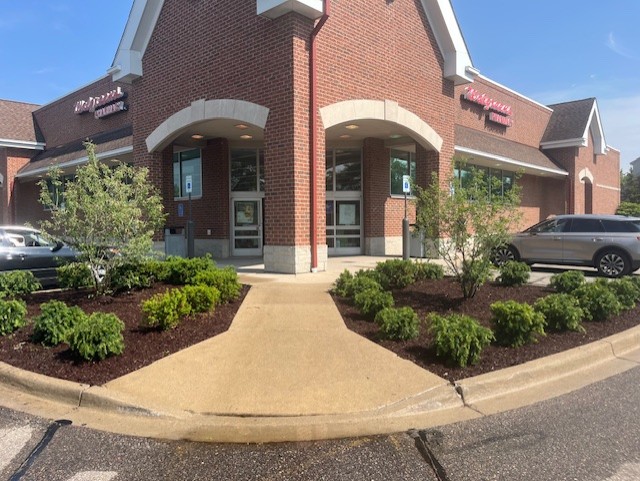
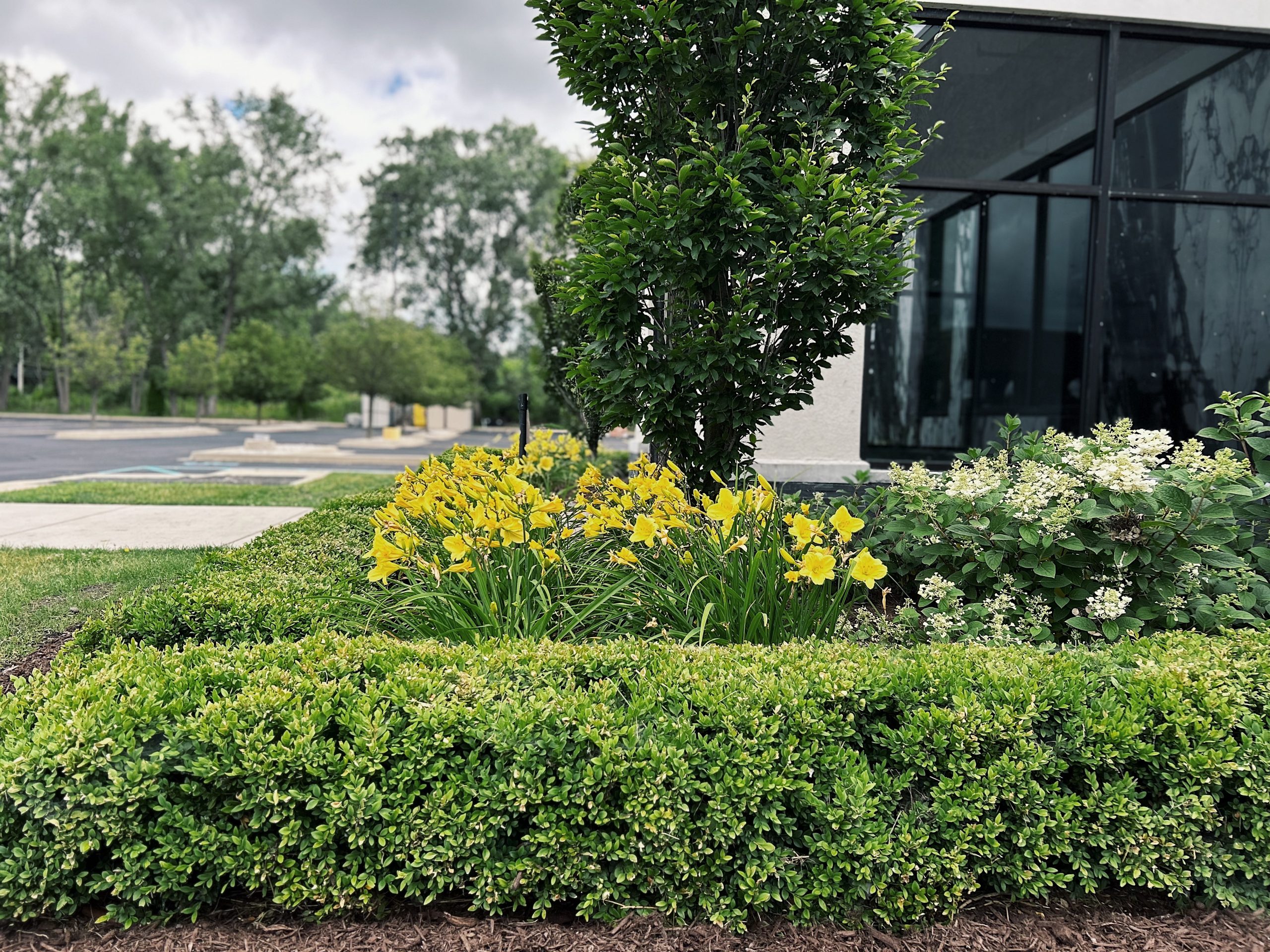
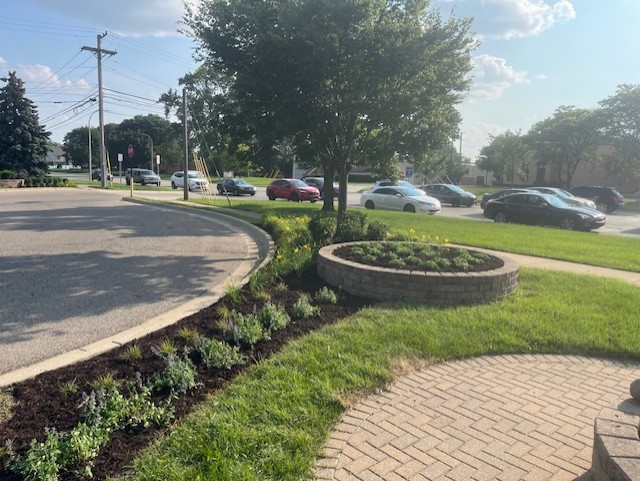
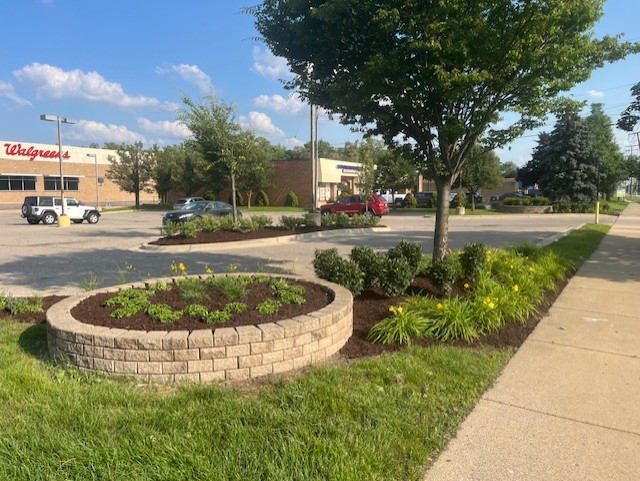
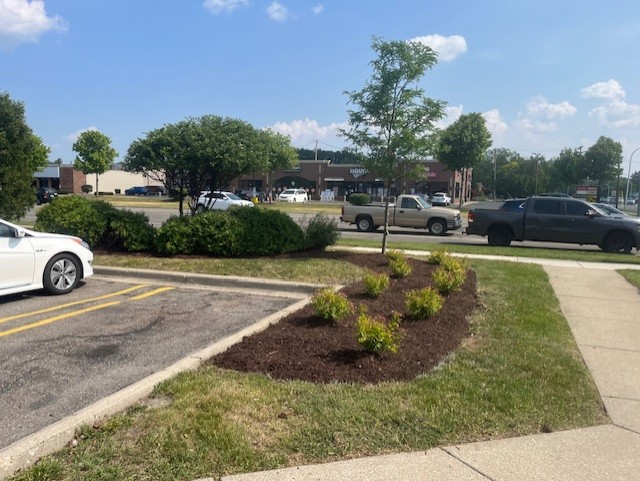
Entrances, monument signs, parking-lot islands, sidewalks, and outdoor gathering spaces are often where an untrimmed lawn is most noticeable. Careful mowing and line trimming help define these transitions between turf, pavement, planting beds, and curbs. That attention can be especially useful for offices, retail centers, multifamily communities, industrial sites, medical-adjacent offices, and other properties that welcome tenants, clients, vendors, or residents.
- More consistent curb appeal during active growing periods
- Clearer edges around sidewalks, curbs, fences, and landscape beds
- Less pressure on staff to arrange one-off cutting visits
- A routine that can complement broader exterior upkeep planning
Appearance is not the only consideration. Cutting grass too low can stress turf, while allowing it to become excessively long can leave clumps, create an uneven finish, and make the next visit more difficult. A sensible approach accounts for turf conditions rather than treating every week and every portion of a property exactly the same.
What a commercial mowing visit should address
The exact scope should fit the site. Open lawn at a warehouse may have different needs than a business campus with narrow strips beside parked cars, planting beds at the entrance, and highly visible pedestrian routes. Before committing to a schedule, it helps to identify the areas included, access requirements, potential obstacles, and the finish expected around edges.
From turf cutting to a finished perimeter
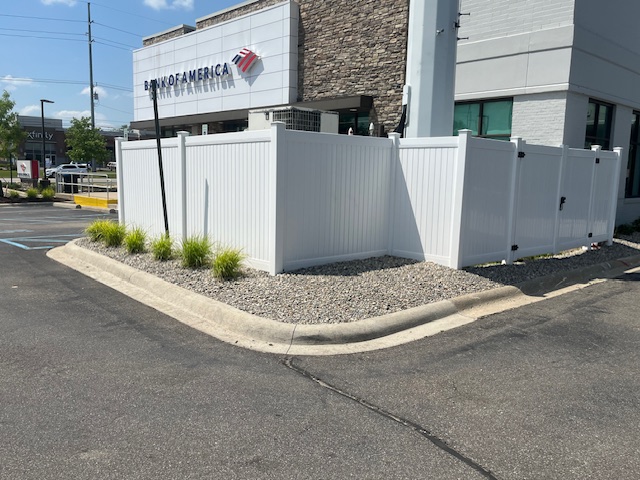
A complete-looking visit generally involves more than the primary mowing pass. Detail work may be needed where a mower cannot reach, including around structures, trees, bed lines, signposts, curb edges, and walkways. Blowing or collecting grass from paved areas is also an important finishing consideration, since clippings left at an entry or across a sidewalk can undermine an otherwise neat result.
Ask a prospective provider how the property will be evaluated after mowing, particularly if the site has slopes, tight spaces, irrigation components, parked vehicles, gates, or areas with frequent pedestrian activity. Clear expectations help prevent the common mismatch in which a customer expects a polished perimeter but receives only basic grass cutting. They also make it easier to identify work that falls outside routine mowing, such as shrub pruning, bed weeding, seasonal cleanup, or repairs.
Scheduling around growth and property use
Frequency should follow growth conditions and the role the property plays. A customer-facing site may need a closer interval during peak growth than a low-traffic parcel, while a shaded or drought-stressed area may call for a different approach. Rather than assuming a fixed schedule is always right, discuss the desired presentation standard and how changes in weather or turf growth will be handled.
- Review the property boundaries, turf areas, obstacles, and high-visibility zones.
- Discuss the preferred mowing cadence, site-access procedures, and any timing restrictions.
- Clarify routine tasks such as mowing, trimming, edging, and cleanup of clippings from hard surfaces.
- Establish how to communicate site changes, weather interruptions, or concerns noticed during service.
This planning matters because commercial grounds often remain active while maintenance occurs. Loading activity, school or office schedules, events, deliveries, and resident traffic can all influence the safest and least disruptive time to work. A good service conversation puts these realities on the table before recurring visits begin.
Choosing a lawn maintenance partner with useful clarity
Searching online can produce broad results, but the most helpful choice is not based on a search phrase alone. When you compare options, look for a provider willing to discuss the property itself, define the routine work being considered, and give you a straightforward way to communicate needs. Paradise Garden Landscaping can be contacted from its Warren, Michigan location to discuss commercial grounds needs near Farmington Hills.
People looking for commercial lawn mowing, lawn maintenance services near me, lawn service near me, and commercial landscaping companies near me are often trying to solve a larger management problem: keeping the property presentable without chasing separate tasks every week. A broader maintenance discussion can help distinguish routine turf cutting from the additional landscape services a site may need across the season. That distinction keeps the requested scope realistic and easier to manage.
Questions worth resolving before work begins
Commercial customers benefit from asking specific questions before selecting a provider. The answers help define responsibilities and make comparisons between proposals more meaningful. They also reduce the likelihood that important visible areas or routine cleanup expectations are assumed but never discussed.
- Which lawn areas, edges, and hard-surface cleanup tasks are included in the regular visit?
- How will the schedule respond to rain, rapid growth, dry conditions, or an inaccessible site?
- Who should receive service updates, and how should property concerns be reported?
- What work would be treated as separate from recurring mowing?
- Are there preferred access windows, tenant considerations, gates, vehicles, or sensitive areas to note?
Price is understandably part of the decision, but it should be considered alongside scope and communication. A lower estimate may not represent the same level of detail, visit frequency, or cleanup expectations as another option. Comparing what is included, rather than comparing a single total alone, gives you a better basis for a practical decision.
When professional mowing makes the most sense
Professional commercial lawn care can be appropriate when an in-house team is stretched thin, when exterior conditions affect tenant or visitor impressions, or when multiple routine grounds tasks need better coordination. It can also be useful for organizations that need a predictable contact for the lawn rather than an informal arrangement that changes from week to week. The right fit depends on property size, layout, seasonality, and the appearance standard you need to maintain.
Routine care is not the same as solving every turf issue
It is useful to separate mowing from broader turf improvement. Regular cutting can support a tidier, more consistent lawn, but it does not automatically correct compacted soil, drainage issues, pest activity, extensive weeds, thinning grass, or damage caused by traffic. If those conditions are present, point them out during your initial conversation so they can be evaluated separately from the recurring mowing routine.
There are alternatives for very small or low-use sites, including assigning basic cutting to internal staff or arranging service only when growth becomes conspicuous. However, these approaches can create uneven timing, inconsistent edges, and avoidable coordination demands. For a property where exterior presentation is part of daily operations, a regular commercial grass-cutting arrangement is often easier to plan around.
Talk with Paradise Garden Landscaping about your property
Every site has its own mix of turf area, visibility, access, and scheduling needs. Paradise Garden Landscaping in Warren, MI offers a local starting point for Farmington Hills-area decision-makers who want to discuss commercial lawn mowing as part of a practical landscape maintenance plan. Share the type of property you manage, the areas that need attention, and the outcomes you want visitors or tenants to see.
Contact Paradise Garden Landscaping to start a conversation about recurring mowing, site priorities, and the right questions to address before service begins. A clear discussion now can help you move from reactive lawn care to a more organized approach for your Michigan commercial property.
Contact Paradise Garden Landscaping to discuss your commercial property near Farmington Hills.
Commercial lawn mowing questions
How often should a commercial lawn be mowed in Farmington Hills, MI?
Frequency depends on grass growth, weather, irrigation, shade, and the property’s desired appearance. During active growth, many commercial sites need regular attention, but the appropriate cadence should be discussed in relation to actual site conditions rather than assumed from a generic calendar.
What is usually included in commercial lawn mowing?
Commercial lawn mowing commonly includes cutting designated turf areas and may include trimming where mowers cannot reach, edging selected borders, and clearing clippings from paved surfaces. Exact inclusions vary by property and provider, so confirm the mapped areas and finishing expectations before recurring service starts.
Can mowing help if my lawn has thin grass or drainage problems?
Routine mowing helps maintain appearance, but it is not a complete fix for underlying turf problems. Thin areas, standing water, compaction, weeds, and traffic damage may require separate assessment or services. Mention those concerns when discussing maintenance so mowing expectations remain appropriate.
Is Paradise Garden Landscaping located in Farmington Hills?
No. Paradise Garden Landscaping is located in Warren, Michigan. Businesses and property managers near Farmington Hills can contact the company to discuss commercial landscape maintenance needs and determine whether the proposed service approach fits their property.