Commercial Snow Removal Near Shelby Township, MI
Winter weather can interrupt a business day before the first customer arrives. Snow-packed parking areas, slick sidewalks, blocked loading access, and narrowed drive lanes can create avoidable obstacles for employees, visitors, deliveries, and tenants. Paradise Garden Landscaping, based near Shelby Township in Warren, MI, is a practical point of contact when your property needs a dependable plan for managing snow and ice conditions.
Commercial snow removal is more than pushing snow after a storm. It is a property-access strategy that considers where vehicles enter, where people walk, where snow can be staged, and which areas need attention first. For commercial properties in Shelby Township, MI, a clear plan can help keep the site more usable during changing Michigan winter conditions.
Keep Your Property Accessible When Winter Arrives
A commercial site has different priorities than a home driveway. Traffic patterns, pedestrian routes, parking demand, entrances, ramps, docks, fire lanes, and accessible spaces all affect how snow and ice should be addressed. The goal is to restore functional access while keeping snow piles from creating new visibility, drainage, or circulation problems.
Paradise Garden Landscaping can discuss your property needs and help you begin the conversation around a commercial winter service plan. Before selecting a provider, it is helpful to think beyond a single snowfall. Ongoing winter maintenance may involve plowing, walkway clearing, ice-control applications, monitoring conditions, and communication about site-specific priorities.
Properties That Often Need a Winter Maintenance Plan
Any site that welcomes the public, supports a workforce, or receives regular deliveries can benefit from a planned response to snow. The scope should reflect the property’s layout and how it is used, rather than relying on a one-size-fits-all approach. A small office lot and a multi-tenant commercial property may have very different access concerns.
- Office buildings, professional campuses, and medical-related commercial sites
- Retail storefronts, shopping areas, restaurants, and customer-facing businesses
- Industrial facilities, warehouses, loading areas, and fleet yards
- Apartment or condominium common areas managed by an association or property manager
- Places of worship, schools, community facilities, and other high-foot-traffic properties
For property managers, the value of a plan is consistency. Instead of making last-minute decisions during a storm, you can identify priority entrances, pedestrian paths, parking sections, delivery zones, and areas that need to remain open as long as possible. This preparation supports smoother operations when weather changes quickly.
What Commercial Snow Removal Should Address
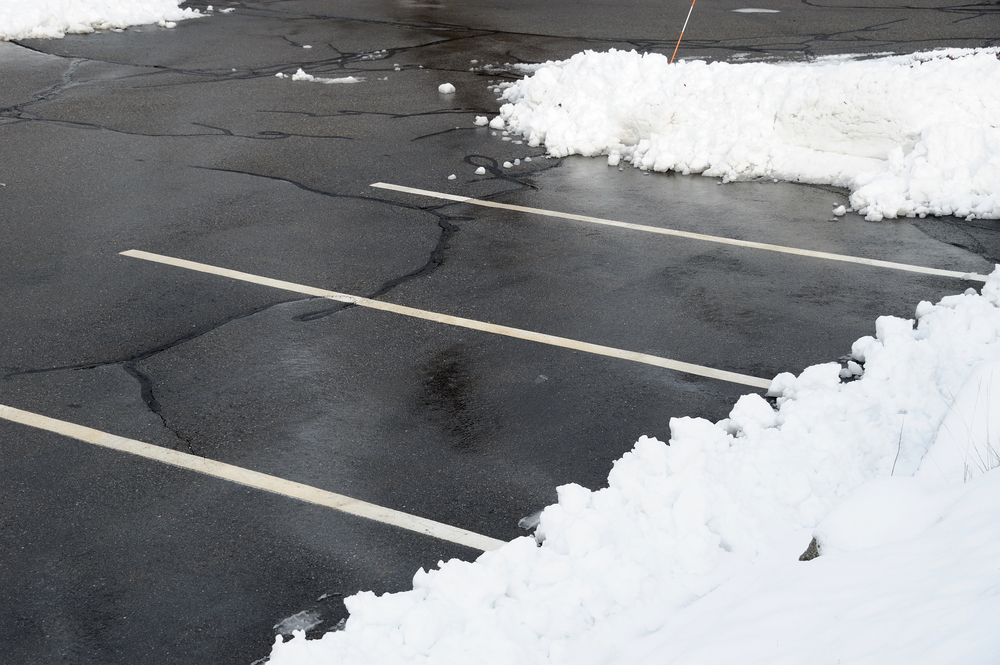
Effective snow management begins with a walkthrough or detailed discussion of the site. A provider needs to understand the surfaces involved, the location of curbs and landscaped islands, the flow of cars and trucks, and the safest places to place accumulated snow. Site mapping is especially useful when snow cover can hide edges, obstacles, and pavement transitions.
In a typical arrangement, the service plan defines the areas to be maintained and the priorities for each weather event. Parking-lot snow plowing may be paired with clearing around entrances, sidewalks, steps, ramps, and other pedestrian zones. Ice management is a separate but closely connected concern because refreezing, drifting, and freeze-thaw cycles can affect surfaces even after plowing is complete.
Plowing Is Only One Part of the Job
When people search for commercial snow removal and snow plowing near me, they are often looking for a response that covers the entire property, not simply a cleared driving lane. Plowing moves accumulated snow from travel areas, but walkways, entry points, curb cuts, and high-use pedestrian routes need their own attention. A well-considered approach recognizes the difference between vehicle access and safe, practical foot traffic.
Ice-control materials may be used where appropriate to improve traction and address slippery conditions. The right product, timing, and application area can vary based on pavement type, temperature, precipitation, foot traffic, and environmental considerations. Asking how a provider approaches deicing is worthwhile, especially for properties with frequent pedestrian use or sensitive landscaping near treated surfaces.
Snow Placement Deserves Early Attention
Where snow goes matters as much as where it is removed from. Piles should be planned with sightlines, parking availability, drainage patterns, entrances, hydrants, loading access, and future storm accumulation in mind. Moving snow to a convenient corner without considering those factors can reduce usable space or create problems as temperatures rise.
Discussing snow storage before winter also helps identify when on-site stacking may no longer be practical. Some properties may need a plan for relocating excess snow after repeated events, particularly when storage areas affect parking or visibility. The appropriate solution depends on the site and should be discussed directly rather than assumed.
A Practical Process for Shelby Township Area Businesses
A reliable service relationship starts with clear information. You should be able to describe the areas you want maintained, the people who use the property, and the operational constraints that matter most. Paradise Garden Landscaping is located in Warren, Michigan, near Shelby Township, and can be contacted to discuss the details of your commercial property and winter priorities.
- Review the site needs. Identify lots, drive aisles, sidewalks, entrances, loading areas, designated accessible routes, and any restricted zones.
- Set priorities. Determine which routes or entrances need attention first to support opening hours, employee arrival, visitor access, or deliveries.
- Clarify the service scope. Discuss snow plowing, sidewalk clearing, ice treatment, snow placement, and how additional needs will be handled.
- Establish communication expectations. Confirm the contacts, preferred updates, access instructions, and procedures for reporting concerns during an event.
- Revisit the plan when needed. Property use can change during the season, and adjustments may be useful after significant weather or operational changes.
Michigan winters can bring light accumulation, heavy wet snow, drifting, freezing rain, or repeated freeze-thaw conditions. That variability is why the initial conversation should cover more than a basic parking-lot service. A provider should understand what “open” and “accessible” mean for your particular operation.
Questions That Help You Compare Providers
Price matters, but the lowest number does not always reflect the same scope of work. Before committing, make sure you understand what surfaces are included, what triggers service, how ice treatment is handled, and how changes or extra work are communicated. Clear documentation helps prevent misunderstandings during a busy storm.
- Which parking areas, sidewalks, steps, ramps, and entrances are included?
- How are priority areas and service triggers defined?
- What approach is proposed for ice control and refreezing conditions?
- Where will snow be stored, and what happens if on-site space becomes limited?
- Who should the property contact if access needs change during a weather event?
- How will the service scope, billing structure, and any additional requests be documented?
It is also reasonable to ask for a site-specific discussion rather than accepting a generic description. The more accurately the property’s risks and traffic patterns are identified at the outset, the more useful the resulting snow and ice management plan can be. This is particularly important where customer access, deliveries, or tenant activity cannot simply pause for winter weather.
Why Planning Ahead Is Better Than Waiting for a Storm
Calling after snow has already disrupted the property can limit your options. A pre-season or early-season conversation gives you time to identify access points, authorize priorities, and decide how snow storage and ice treatment should be handled. It also gives your team a chance to share gate codes, on-site contacts, hours, and any areas requiring special care.
Preparedness protects day-to-day usability. Clear entrances and navigable parking areas can make it easier for employees to arrive, customers to visit, vendors to complete deliveries, and tenants to move through common areas. While no service can change the weather, a thoughtful response plan helps reduce the operational disruption that winter conditions can cause.
Commercial snow removal may not be appropriate as a purely reactive, occasional task for a busy property. In-house efforts can work for very small sites with available staff and suitable equipment, but they also require training, time, monitoring, material storage, and a plan for overnight or ongoing weather. For many managers, discussing professional support is appropriate when winter maintenance competes with the work their staff is actually there to do.
Talk With Paradise Garden Landscaping About Your Winter Plan
Every commercial property near Shelby Township has its own combination of pavement, foot traffic, schedules, and access needs. Paradise Garden Landscaping in Warren, MI can be a relevant local resource for discussing commercial snow clearing and ice-management needs without assuming that every site requires the same service. Start by sharing the areas you need addressed and the winter conditions that create the greatest disruption for your operation.
Whether you manage a retail property, office location, industrial site, or multi-tenant facility, a defined plan can make winter decisions less stressful. Contact Paradise Garden Landscaping to discuss commercial snow removal near Shelby Township, Michigan, and determine the next steps for your property. Contact Paradise Garden Landscaping to begin the conversation.
Commercial Snow Removal Questions
What does commercial snow removal usually include?
Commercial snow removal generally includes clearing designated parking areas, drive lanes, and access routes after snow events. Depending on the agreed scope, it may also address sidewalks, entrances, steps, ramps, snow placement, and ice-control needs. The exact services should be defined for the individual property before winter weather begins.
How is commercial snow removal different from residential plowing?
Commercial work typically involves broader traffic patterns, larger paved areas, higher pedestrian use, customer access, deliveries, and operational priorities. A commercial plan should account for business hours, key entrances, accessible routes, loading zones, snow storage, and communication procedures, rather than treating the site like a single private driveway.
Should my business arrange snow service before the first storm?
Yes. Planning ahead allows time to review the site, identify priority areas, decide where snow can be placed, and establish contacts and access instructions. It is generally easier to create a clear scope before weather creates an urgent access issue than to make those decisions during a storm.
Is Paradise Garden Landscaping located in Shelby Township, MI?
No. Paradise Garden Landscaping is located in Warren, Michigan, near Shelby Township. Businesses and property managers in the Shelby Township area can contact the company to discuss whether its commercial snow removal services fit their site’s winter maintenance needs.